
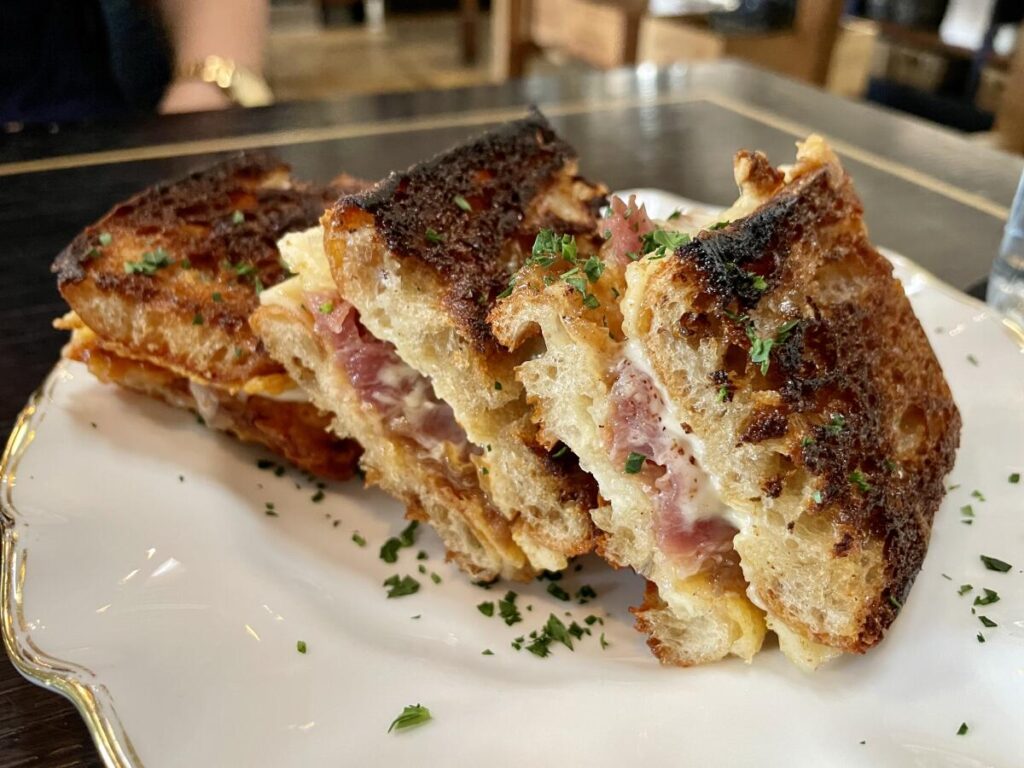
The American sandwich market is enormous — and it is getting bigger. Around half of all U.S. adults eat a sandwich on any given day, making it one of the most universally consumed food categories in the country. But within this massive market, a specific segment is outperforming the rest: gourmet fast-casual sandwich concepts that elevate familiar comfort food into a premium dining experience.
The Market Opportunity
The global sandwich market was valued at $165.4 billion in 2025 and is projected to reach $270.8 billion by 2034, growing at a CAGR of 5.78%. In the United States, the sandwich shop franchise sector alone surpasses $23 billion in annual sales.
The growth is being driven by a fundamental shift in consumer expectations. Today’s diners — particularly millennials and Gen Z — want food that is fast but not cheap, convenient but not generic, and familiar but elevated. Gourmet sandwich and grilled cheese concepts hit all of these marks, offering artisanal ingredients, creative flavor combinations, and an Instagram-worthy presentation at a price point that feels accessible.
Why This Franchise Category Works
Food franchises can be capital-intensive and operationally complex, but specialty sandwich concepts offer several structural advantages:
- Simpler operations: A focused menu built around sandwiches requires less kitchen equipment, less prep complexity, and fewer SKUs than a full-service restaurant
- Lower build-out costs: Typical investments range from $400,000 to $800,000 — significantly less than many fast-casual competitors
- Universal appeal: Sandwiches transcend age, income, and dietary preferences. Gourmet grilled cheese, in particular, taps into deep nostalgia while delivering a premium experience
- Multiple dayparts: Lunch is the primary driver, but breakfast sandwiches, catering, and late-night service can extend revenue across the full day
What Makes Owners Successful
The most profitable franchise owners in this space focus on a few key areas:
- Ingredient quality: Premium bread, artisanal cheeses, house-made sauces, and locally sourced proteins create a product that justifies a higher price point
- Menu innovation: Seasonal specials, limited-time offerings, and creative flavor combinations keep the menu fresh and encourage repeat visits
- Speed and consistency: Fast-casual customers expect their food quickly and identically every time. Efficient kitchen workflows and standardized recipes are essential.
- Local marketing: Community involvement, social media engagement, and catering partnerships drive awareness and trial
Who This Is For
This category attracts food industry entrepreneurs, restaurant operators looking to simplify their concept, and investors who want a food franchise with lower complexity than full-service dining. It is also well-suited for multi-unit operators who can leverage economies of scale across several locations.
The Bottom Line
The gourmet fast-casual sandwich segment is growing because it delivers exactly what modern consumers want: quality food, served fast, at a reasonable price. The franchise model provides the brand recognition, operational systems, and supply chain relationships that independent sandwich shops struggle to build. For entrepreneurs who are passionate about food and want a franchise with strong unit economics and broad consumer appeal, this is a category worth serious consideration.